
The Best Watercolour Supplies for Beginners (And the Materials I Actually Use)
We’re delighted to share that we've recently started teaching Watercolour classes at Cheshire Art Classes, and the response has been fantastic. It's been wonderful to welcome such a diverse range of students—from complete beginners picking up a brush for the very first time to experienced artists looking to refine their techniques.
One of the questions we’re asked most often is, "What equipment should I buy?" With so many brands and products available, it can be difficult to know where to start. We hope this guide helps simplify the process.
Before we begin, it's worth mentioning that these recommendations are based on the materials I personally use or teach with. There are many excellent products on the market, but the items below have consistently delivered reliable results in my own painting and teaching experience.
Watercolour Paints
Quality paints make a significant difference to your painting experience. While student-grade paints are an excellent starting point, artist-quality paints generally offer richer pigments, better transparency, and improved lightfastness.
Some of the brands I regularly recommend include:


For beginners, a small palette of 12 carefully selected colours is more than enough. Learning to mix colours is one of the most valuable skills in watercolour painting, and a limited palette encourages this.
The watercolour set I use when teaching my classes offers excellent value for money and is surprisingly highly pigmented, making it an ideal choice for beginners and those looking for a quality set without spending a fortune.
It isn't the best option as a travel palette, as the mixing area and storage space are quite limited. However, for learning, practising at home, and attending classes, it's incredibly budget-friendly and performs far better than many sets at a similar price point. It's a set I'm always happy to recommend to students who want dependable paints without making a significant investment.

Brushes
You don't need dozens of brushes to create beautiful watercolours. In fact, most paintings can be completed with just a few quality brushes.
I recommend investing in:
A large round brush (Size 10–12)
A medium round brush (Size 6–8)
A small detail brush (Size 2–4)
A flat wash brush for larger areas
Synthetic brushes have improved enormously over the past few years and offer excellent performance at a very reasonable price. They're also durable and easy to care for, making them ideal for beginners and experienced painters alike.
The Da Vinci Cosmotop brushes are my personal choice for my own watercolour painting. I typically work with just three brushes—a round, mop, and flat—which comfortably cover the vast majority of watercolour techniques, from broad washes to fine details.
These brushes feature a unique blend of sable, squirrel and synthetic fibres, giving them an excellent balance of performance and durability. They offer superb pointing for detailed work, crisp edges when needed, and exceptional water-holding capacity, making it much easier to achieve smooth, flowing washes. They strike an excellent balance between the performance of natural hair brushes and the resilience of modern synthetics, making them a fantastic investment for artists at any level.

Paper
If there's one area where it's worth spending a little extra, it's paper.
Good-quality watercolour paper makes techniques such as wet-on-wet, lifting and glazing much easier and prevents buckling.
Look for:
100% cotton paper if your budget allows
At least 300gsm (140lb)
Cold Pressed (NOT) paper for general painting - Textured excellent for landscapes etc.
Hot Pressed paper for refined painting - Still Life/Botanical painting where texture is not wanted.
Some of my favourite papers include Saunders Waterford, Arches, and Fabriano Artistico.


Palettes
A white palette with large mixing areas is ideal. The white surface allows you to judge colour accurately, while generous mixing wells help create clean, consistent washes.
Ceramic palettes are excellent because they don't stain and are easy to clean, although good-quality plastic palettes also work perfectly well.


Water Containers
Having two water pots makes a surprising difference—one for rinsing your brush and another for clean water used in mixing washes. This helps keep colours fresh and prevents muddy mixtures.

Pencils and Erasers
A simple HB or 2H pencil is perfect for light sketches before painting. Keep pencil lines delicate, as heavy marks can show through transparent watercolour.
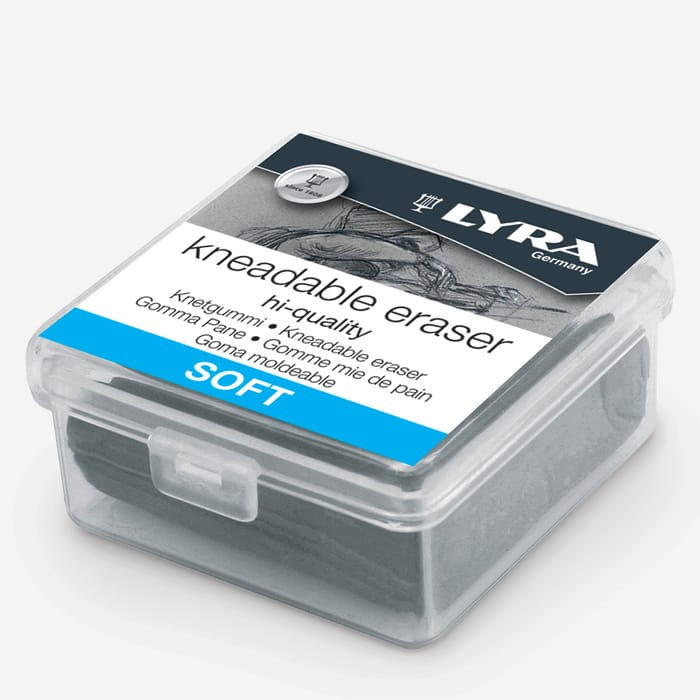
A soft kneadable eraser is useful for gently lifting graphite without damaging the paper.
Other Useful Equipment
A few additional items can make painting more enjoyable:
Kitchen paper or paper towels
Masking tape
A drawing board
A spray bottle for keeping paints moist
A masking fluid for preserving highlights
White gouache for occasional finishing touches


Do You Need the Most Expensive Equipment?
Absolutely not.
Great paintings come from practice, observation and understanding rather than expensive materials. While better-quality supplies can certainly make techniques easier, it's far more important to become familiar with the equipment you already own.
Many outstanding artists produce beautiful work using relatively modest materials because they've learned exactly how those materials behave.
What We Use in Class
During our Cheshire Art Classes watercolour sessions, we use carefully selected materials that allow students to explore a wide range of techniques while achieving reliable results. Students are always welcome to ask about the materials being used, try different brushes and paints, and discuss which products might best suit their own style and budget.
Whether you're just starting your watercolour journey or looking to upgrade your existing equipment, remember that you don't need everything at once. Build your collection gradually, invest in quality where it matters most—particularly paper—and most importantly, enjoy the process of painting.
We look forward to painting with you in class and helping you discover just how rewarding watercolour can be.


Comments